
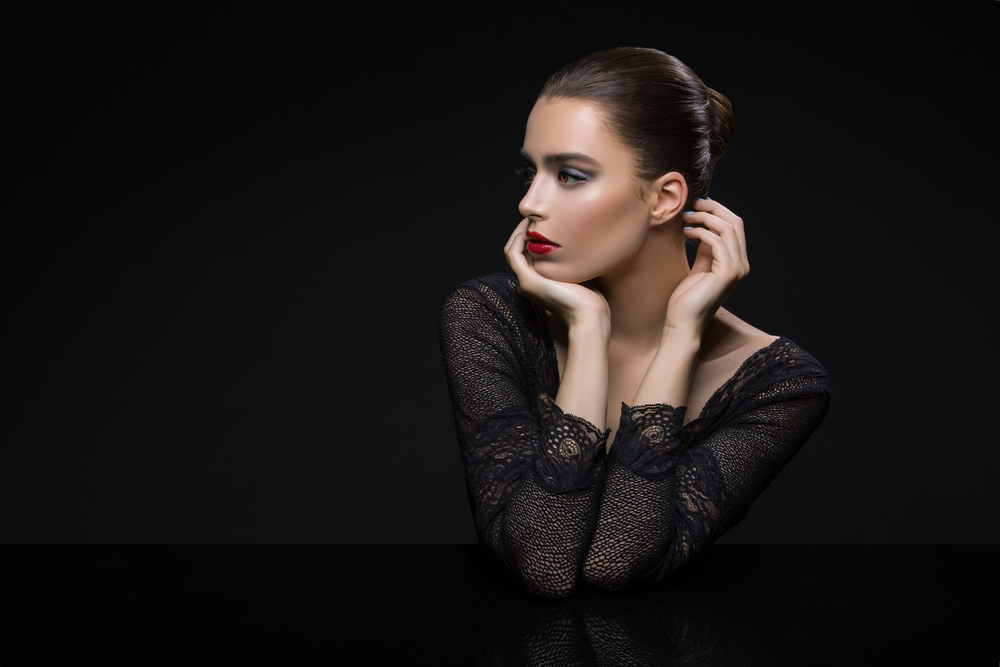
The Art and Science of Modeling: Unveiling the Secrets Behind the Fascinating World of Modeling in Photoshoots
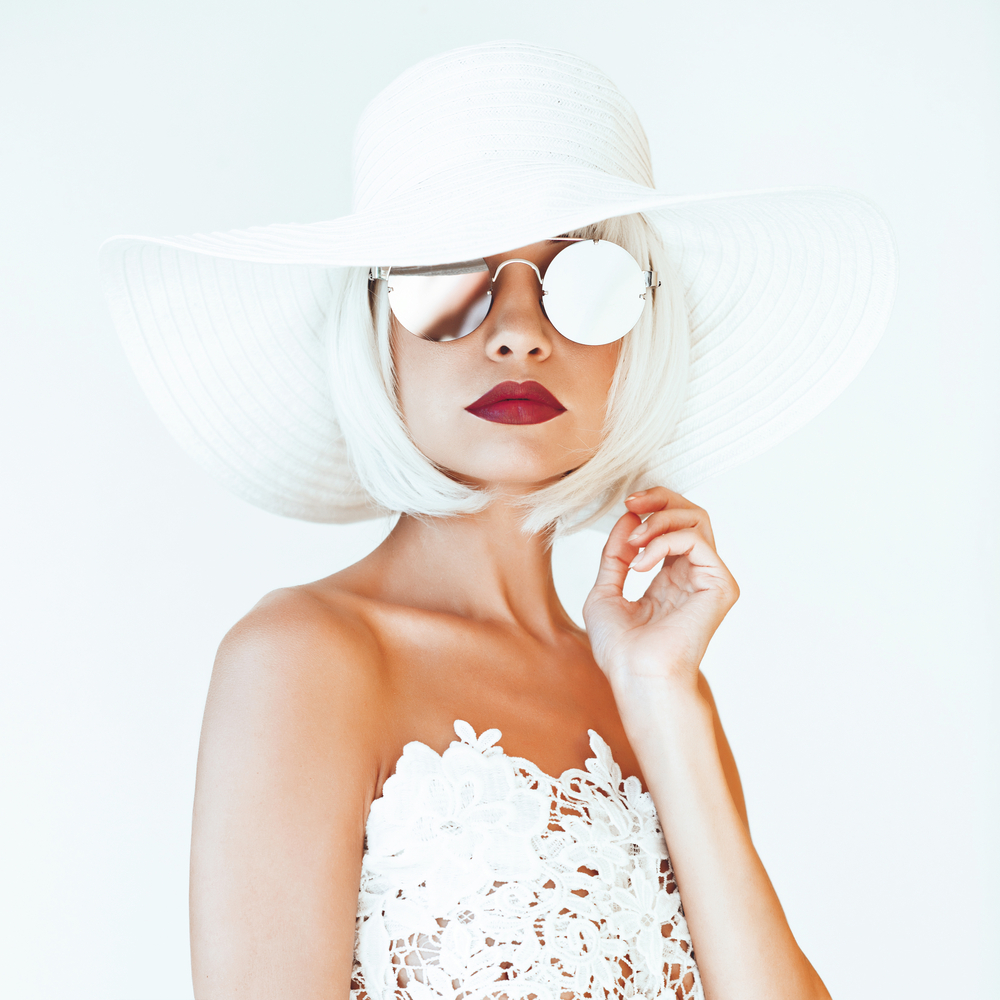
In the world of fashion and advertising, modeling plays a pivotal role. Models serve as the canvas on which designers, photographers, and makeup artists paint their visions. With their grace and poise, models bring life to clothes and accessories, enticing consumers to desire and buy. But what goes on behind the scenes of a photoshoot? What are the secrets that make modelling such a fascinating and captivating craft? In this article, we will explore the art and science of modeling, delving into the techniques, skills, and challenges that make it a unique profession.
Understanding the Basics of Modeling
Modeling, in its essence, is the art of portraying a certain aesthetic or concept through body language and facial expressions. The model is the vehicle through which a brand or designer communicates their vision to the audience. But it's not just striking poses and looking beautiful. A model needs to convey emotions and embody the essence of the brand they represent.
Types of Modeling
Modeling is a diverse field, spanning across various categories. Some models specialize in specific genres, while others are versatile and adapt to different styles. Here are some of the most common types of modeling:
1. Fashion Modeling: This is the glamorous side of modeling that dominates magazines and runways. Fashion models showcase clothing and accessories, creating a visual narrative for designers and brands.
2. Commercial Modeling: In contrast to fashion modeling, commercial models promote products or services in advertisements. These models have a relatable look and appeal to a wider range of consumers.
3. Fitness Modeling: Fitness models flaunt their toned physiques to promote health and wellness products. They inspire people to achieve their fitness goals through their well-maintained bodies.
4. Plus-Size Modeling: Representing the diversity of body shapes, plus-size models challenge traditional beauty standards and celebrate curves. They promote body positivity and inclusivity in the fashion industry.
Behind the Scenes of a Photoshoot
Photoshoots are the stage where models shine, transforming into artful creations captured by the lens. But the process leading up to a successful shoot involves meticulous planning, teamwork, and hours of hard work. Here are the key players involved:
1. Photographer: The photographer is responsible for capturing the model's performance and translating it into visually compelling images. They choose the lighting, angles, and composition to create the desired mood.
2. Makeup Artist: The makeup artist enhances the model's features, ensuring they look flawless on camera. They use their skills to create different looks, following the photographer and designer's vision.
3. Stylist: The stylist curates the outfits, accessories, and overall look for the photoshoot. They collaborate closely with the designer or brand to align the model's appearance with the intended message.
4. Art Director: The art director oversees the entire creative process, making sure that everyone is working towards the same vision. They have a keen eye for detail and ensure that the photoshoot aligns with the brand's image and objectives.
FAQs: Unveiling the Secrets of Modeling
Q1. How do models know which poses to strike?
A1. Experienced models have a repertoire of poses they've mastered over time. However, photographers often provide guidance and direction, suggesting poses that align with the desired mood and aesthetic.
Q2. How do models maintain a fit body?
A2. Modeling requires a certain level of fitness. Models generally follow healthy lifestyles, including regular exercise and a balanced diet. They work with nutritionists and fitness trainers to maintain their physique.
Q3. Do all models have to be tall and skinny?
A3. While the fashion industry traditionally favored tall and slim models, there has been a growing movement towards diversity and inclusivity. Different types of modeling, such as plus-size or fitness, celebrate beauty in all shapes and sizes.
Q4. How do models express emotions during a shoot?
A4. Expressing emotions through body language and facial expressions is an essential skill for models. They draw inspiration from the brand's message, the photographer's direction, and their own creativity.
Q5. Can anyone become a model?
A5. The modeling industry seeks individuality and diversity. While certain physical attributes may be more sought after in certain types of modeling, overall, there is room for various shapes, sizes, and styles.
In conclusion, modeling is a mesmerizing craft that combines artistry and technical skills. Behind the glamorous images we see, there is meticulous planning, collaboration, and hard work. Models immerse themselves in the brand's vision, conveying emotions and captivating audiences. The world of modeling continues to evolve, embracing diversity and empowering individuals to express their uniqueness.
Other useful resources
- https://www.planetmodelphoto.com/models/modeling/usa/wilmington/nc-north-carolina
- https://en.wikipedia.org/wiki/Category:Modeling_agencies
- https://en.wikipedia.org/wiki/Modeling_agency